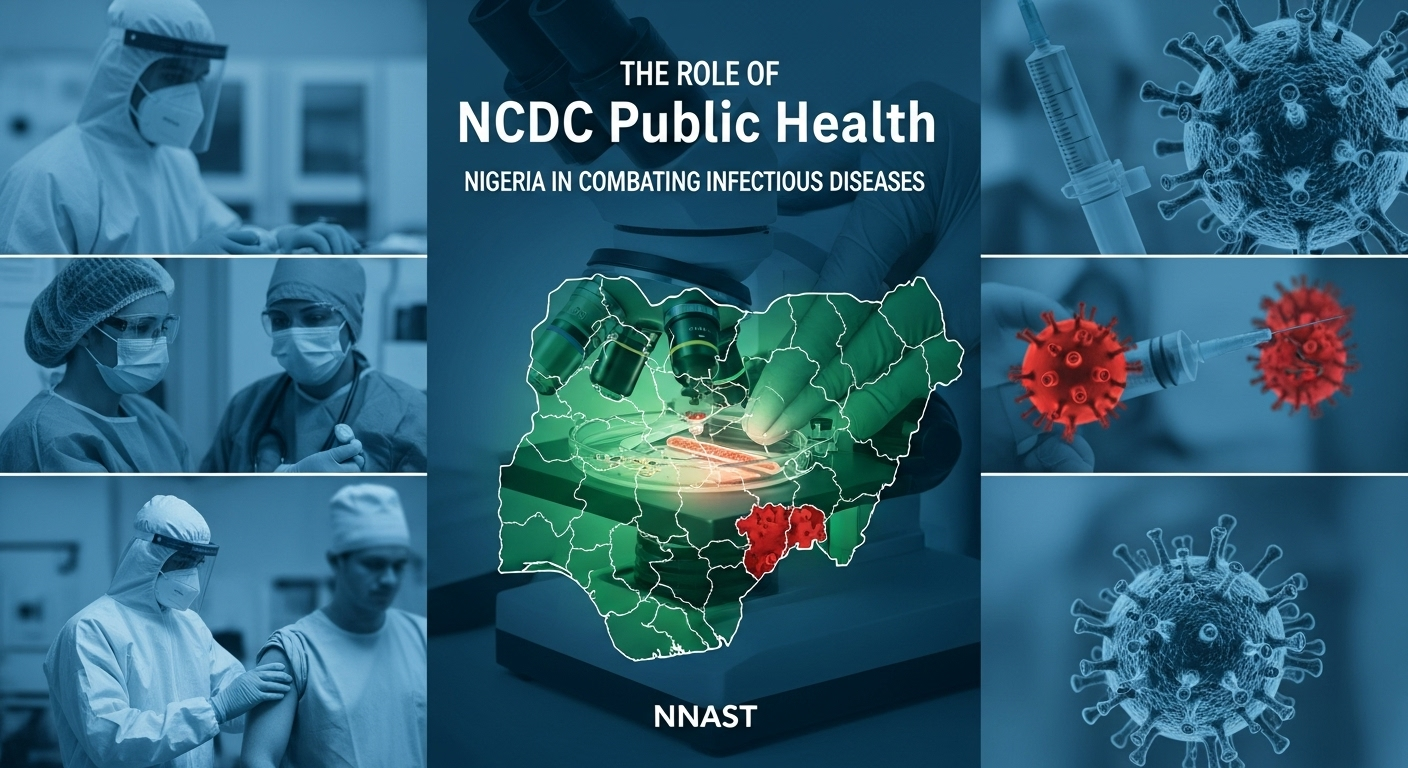
Public health threats continue to evolve across Nigeria, and the country’s ability to detect, respond, and prevent outbreaks has never been more important. The Nigerian Center for Disease Control and Prevention plays a central role in safeguarding communities, strengthening disease surveillance, and improving national readiness for emerging infections. As Nigeria navigates both old and new health challenges, robust systems and coordinated responses have become essential pillars for national health security.
Why NCDC Public Health Nigeria Matters Today
The NCDC public health Nigeria framework is designed to protect the population from infectious diseases through early detection, rapid response, and long-term prevention. With Nigeria’s dense population, environmental changes, and frequent movement of people across borders, the risk of outbreaks remains high. This makes the agency’s public health work not just relevant, but critical to national stability.
In addition, the NCDC public health Nigeria approach emphasizes community awareness, laboratory strengthening, and nationwide collaboration essential components for building a resilient health system that can respond to current and future threats.
Understanding the Key Functions of NCDC in Nigeria
Core Functions of NCDC in Nigeria
One of the most important pillars of health protection is understanding the functions of NCDC in Nigeria, especially as the country continues to encounter outbreaks like Lassa fever, cholera, Covid-19, diphtheria, and other infectious diseases. The agency is responsible for coordinating public health emergencies, managing surveillance systems, and ensuring that laboratory networks remain functional and up to date.
The functions of NCDC in Nigeria also include training health workers, deploying rapid response teams, and establishing protocols for outbreak control. These responsibilities position NCDC as a national leader in disease prevention, response planning, and strengthening overall public health security.
Building Stronger Systems for Nigerian CDC Infectious Disease Control
Advancing Nigerian CDC Infectious Disease Control Strategies
Effective Nigerian CDC infectious disease control relies on early warning systems that help detect unusual health events before they spread. Through tools like the Surveillance Outbreak Response Management System (SORMAS) and national reference laboratories, NCDC ensures that frontline workers have access to real-time information that guides decision-making.
Improving Nigerian CDC infectious disease control also involves community engagement—educating families, local leaders, and health facilities about prevention behaviors and early reporting. This integrated approach strengthens national resilience and reduces the impact of outbreaks.
How NCDC Strengthens Nigeria’s Preparedness for Future Health Threats
To create a safer future, NCDC focuses on long-term capacity building. This includes:
- Expanding laboratory networks across all regions
- Supporting states in developing emergency operations centers
- Enhancing training programs for disease surveillance officers
- Collaborating with global health partners to improve risk assessment
- Driving public health research, data transparency, and national readiness
These efforts not only help manage existing diseases but also ensure Nigeria can respond effectively to newly emerging threats.
Conclusion
The role of NCDC continues to evolve as Nigeria faces increasing health challenges. Whether through building surveillance systems, educating communities, or coordinating nationwide response efforts, the agency is at the forefront of protecting lives and strengthening healthcare security. By supporting strategic initiatives and investing in long-term prevention, NCDC is helping Nigeria move toward a healthier, more resilient future one where infectious diseases are identified faster, managed better, and prevented more effectively.