Pick any pharmacy counter across Nigeria and observe the transactions for an hour.
- Someone requests antibiotics in Nigeria for a cough that started yesterday.
- Another wants the same medicine that worked for their neighbor’s fever.
- A parent demands antibiotics for their child’s viral cold.
The pharmacist dispenses without hesitation, prescription, or guidance on proper use. These daily interactions multiply resistance faster than new drugs can be developed. Meanwhile, hospital laboratories document treatment failures climbing steadily. Infections requiring basic antibiotics now demand expensive alternatives. Some patients die because no available antibiotic works anymore. Looking toward 2026, current trends predict a worsening crisis unless urgent action interrupts these patterns.
Antibiotics Resistance in Nigeria Has Infiltrated Every Healthcare Setting
Antibiotic resistance in Nigeria affects both the community and hospital environments. Community-acquired infections like urinary tract infections and respiratory infections increasingly resist first-line antibiotics.
Patients treating infections at home with over-the-counter antibiotics select for resistant strains that spread through families and communities. Hospital-acquired infections demonstrate even higher resistance rates.
Intensive care units harbor the most resistant organisms because critically ill patients receive multiple, potent antibiotics, creating intense selection pressure. Surgical wards see resistant wound infections. Neonatal units battle resistant sepsis in vulnerable newborns. Outpatient clinics encounter resistant infections in patients who never get admitted. No healthcare setting remains free from resistance. Urban tertiary hospitals document higher rates, but rural facilities face resistance too, often without diagnostic capacity to detect it.
The distinction between community and hospital resistance blurs as resistant bacteria circulate freely between settings.
Patients discharged from hospitals carry resistant organisms home. Community members bring resistant bacteria into hospitals. This bidirectional flow means resistance in one setting inevitably affects all others.
How Bacteria Develop Resistance at the Molecular Level —Antibiotic Resistance Mechanisms
Bacteria use several strategies to survive antibiotic exposure. Some bacteria produce enzymes that destroy antibiotics before they can work. Beta-lactamases break down penicillin and related drugs.
Extended-spectrum beta-lactamases destroy broader antibiotic classes. Carbapenemases demolish even last-resort carbapenem antibiotics. Other bacteria modify antibiotic target sites so drugs cannot bind effectively. Methicillin-resistant Staphylococcus aureus alters cell wall synthesis proteins that methicillin normally blocks.
Some bacteria develop efflux pumps that actively push antibiotics out of bacterial cells before they accumulate to lethal concentrations. Others reduce membrane permeability, preventing antibiotics from entering cells.
Bacteria can acquire resistance genes from other bacteria through horizontal gene transfer, spreading resistance rapidly through bacterial populations. Plasmids carrying multiple resistance genes move between different bacterial species, creating organisms resistant to multiple antibiotic classes simultaneously.
These antibiotic resistance mechanisms don’t exist in isolation. Single bacteria often employ multiple mechanisms simultaneously, making them extraordinarily difficult to kill.
What Data Reveals About 2026 Trajectories
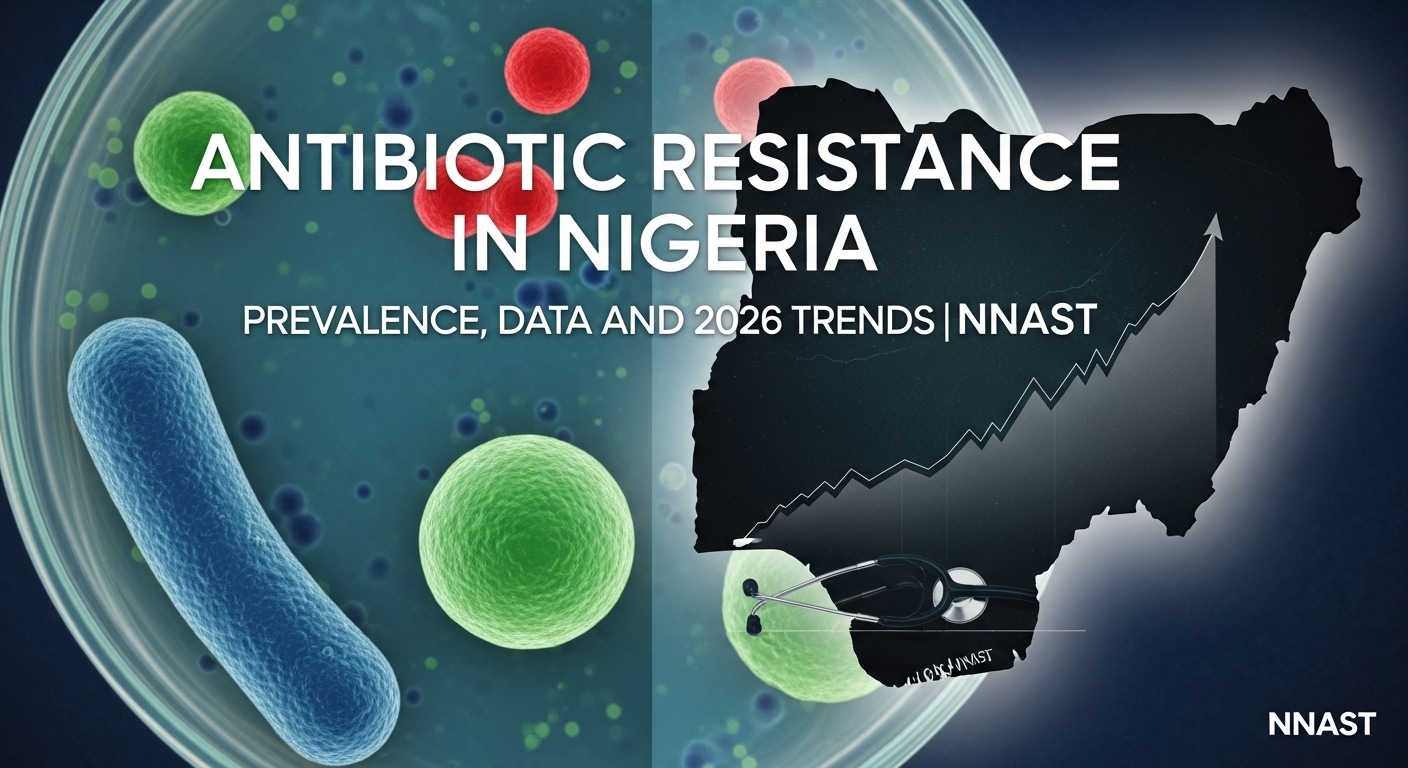
Current trends predict troubling scenarios for 2026. Mathematical models using existing resistance data project continued increases across major pathogens. If antimicrobial use patterns and stewardship practices remain unchanged, resistance rates will rise approximately 5-10% annually.
This means infections showing 40% resistance today will demonstrate 60-70% resistance by 2026. Some projections suggest certain antibiotic-pathogen combinations will become essentially useless as resistance exceeds 80%.
Healthcare costs will escalate as expensive last-resort antibiotics become standard therapy. Hospital stays will lengthen as infections take longer to control. Mortality will climb as some infections exhaust all available treatment options.
These aren’t speculative possibilities but mathematical projections based on documented resistance trends.
However, trends can change with intervention. Aggressive stewardship implementation, prescription enforcement, infection prevention, and public education could bend these curves downward.
The 2026 landscape depends entirely on actions taken now. Inaction guarantees worst-case scenarios. Coordinated intervention offers chances to slow or reverse resistance trends before they become irreversible.
Why Resistance Threatens All Modern Medicine
Antibiotics resistance in Nigeria doesn’t just affect infection treatment. Modern medicine depends on effective antibiotics for multiple purposes beyond treating infections.
- Surgeries become dangerous when post-operative infections can’t be prevented or treated.
- Cancer chemotherapy relies on antibiotics to control infections in immunocompromised patients.
- Organ transplantation requires antibiotics to prevent rejection-related infections.
- Cesarean sections and other obstetric interventions depend on antibiotics for safety.
- Neonatal care protects vulnerable infants with antibiotic prophylaxis.
- Trauma management prevents wound infections with antibiotics.
- Joint replacements and cardiovascular procedures require antibiotics.
As resistance eliminates effective antibiotics, these procedures become riskier or impossible. Healthcare retreats toward pre-antibiotic era limitations. Simple infections that currently cause minor inconvenience will become potentially fatal conditions.
This broader threat makes resistance not just an infectious disease problem but a comprehensive medical crisis affecting virtually every healthcare speciality.
The Choices Made Today Shape Nigeria’s Future Treatments
Antibiotic resistance in Nigeria will worsen or improve based on decisions and actions taken immediately. Current prevalence already causes treatment failures, deaths, and healthcare system strain.
Trends project serious crises by 2026 unless intervention changes current trajectories. The threat extends beyond infection treatment to affect all medical procedures, depending on effective antibiotics.
Prevention and control require coordinated system changes across healthcare, regulation, agriculture, and public behavior. Organizations supporting evidence-based stewardship approaches, prescriber education, and surveillance system strengthening contribute to long-term solutions.
FAQs
Can new antibiotics solve resistance problems?
New antibiotics help but don’t solve resistance alone. Bacteria will develop resistance to new drugs just as they did to existing ones. Development costs and market challenges limit new antibiotic pipelines. Stewardship, preserving existing antibiotic effectiveness, remains more cost-effective than continuous new drug development.
How fast does resistance develop after antibiotic introduction?
Resistance timelines vary by antibiotic and bacteria. Penicillin resistance appeared within years of introduction. Some newer antibiotics faced resistance within months. Resistance develops faster when antimicrobials are used widely and inappropriately. Stewardship can slow but not prevent resistance emergence.
Are some antibiotics already completely ineffective in Nigeria?
Some antibiotic-pathogen combinations show resistance rates so high they’re effectively useless. Certain urinary pathogens resist common first-line antibiotics over 70% of the time. Methicillin against Staphylococcus aureus fails frequently. However, few antibiotics are universally ineffective against all pathogens. Context-specific susceptibility varies.