Antimicrobial resistance in Nigeria is no longer a distant threat. It is a daily crisis unfolding in hospitals, pharmacies, and homes across the country. Antibiotics that once cleared infections within days are increasingly failing patients. Therefore, understanding how and why this crisis is growing has never been more urgent.
What Is Antibiotic Resistance in Nigeria?
The Core Problem.
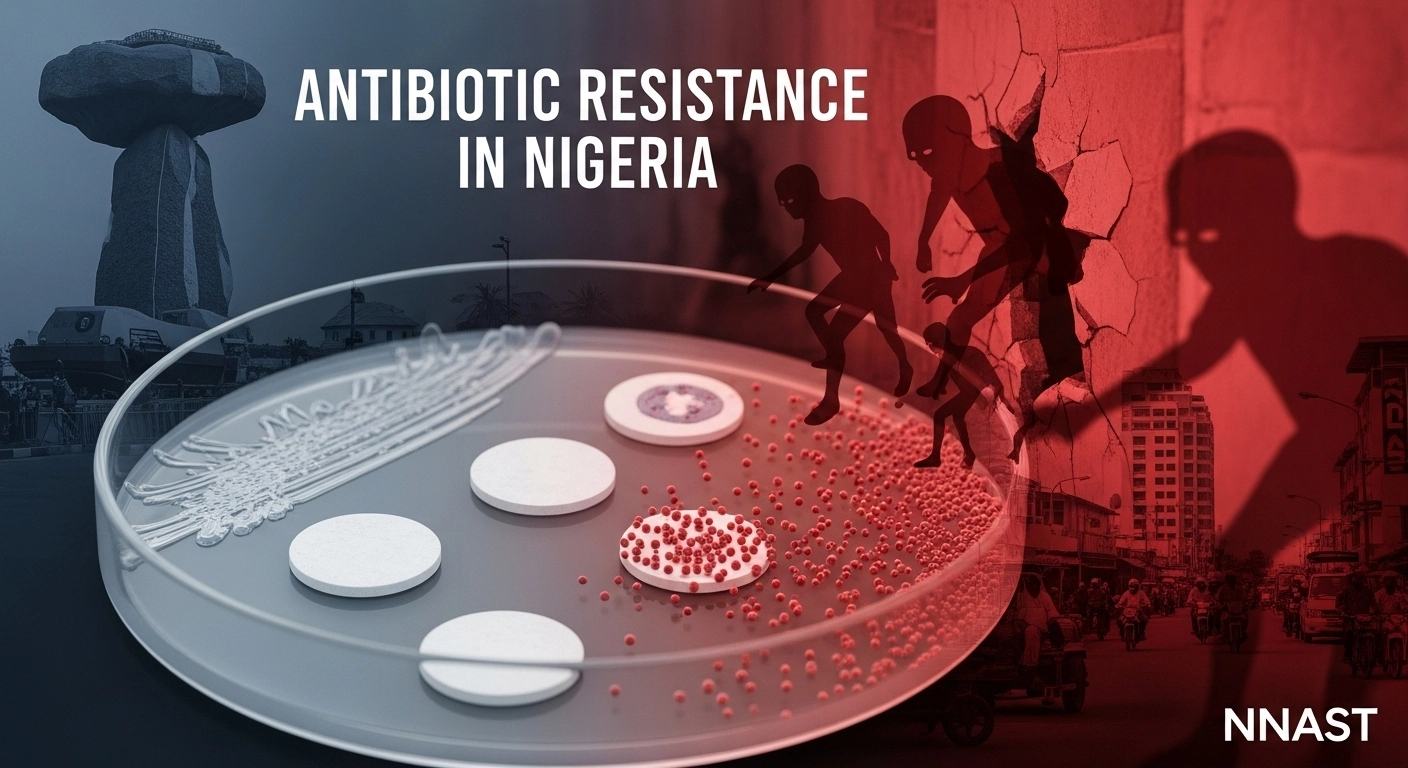
Antibiotic resistance in Nigeria occurs when bacteria adapt and survive despite the presence of drugs designed to destroy them. The bacteria mutate, rendering standard treatments ineffective. This leaves patients with infections that are far harder and costlier to treat.
Nigeria’s healthcare landscape makes this problem especially acute. Overcrowded hospitals, inadequate diagnostics, and widespread drug misuse create the perfect conditions for resistant bacteria to thrive and spread.
Key Causes of Antibiotic Resistance in Nigeria
Misuse of Antibiotics Nigeria-Wide
The misuse of antibiotics in Nigeria is rampant. Patients frequently purchase antibiotics over the counter without a prescription. They often stop treatment mid-course once they feel better, which allows surviving bacteria to grow stronger.
Pharmacies in many states dispense powerful antibiotics without requiring any medical consultation. This practice accelerates the development of drug-resistant strains at an alarming pace.
Drug Resistance Nigeria: The Role of Agriculture
Antibiotic misuse is not limited to human medicine. Nigerian livestock farmers routinely administer antibiotics to animals to promote growth and prevent disease in crowded conditions. These antibiotics enter the food chain and the environment, contributing significantly to drug resistance in Nigeria.
Simultaneously, wastewater from farms and pharmaceutical facilities often carries antibiotic-laden runoff into water sources, further spreading resistant bacteria.
Weak Healthcare Infrastructure
Inadequate laboratory facilities mean that many Nigerian patients never receive a proper diagnosis before antibiotics are prescribed. Doctors sometimes prescribe broad-spectrum antibiotics as a precaution, even when a bacterial infection has not been confirmed.
This over-prescription culture compounds the causes of antibiotic resistance in Nigeria and accelerates the crisis considerably.
The Dangers of Antibiotic Resistance in Nigeria
Rising Treatment Failures
When antibiotics stop working, simple infections become life-threatening. Pneumonia, urinary tract infections, and wound infections are increasingly failing to respond to standard treatments in Nigerian hospitals.
Patients are forced onto second- and third-line drugs, which are often more expensive, more toxic, and less widely available in the country.
Threat to Surgical and Maternal Care
Surgeries and childbirth rely on antibiotics to prevent post-operative infections. However, if those antibiotics are ineffective due to resistance, the risk of mortality climbs sharply. Maternal and child health outcomes in Nigeria are therefore directly threatened by the rise of drug-resistant bacteria.
How to Prevent Antibiotic Resistance in Nigeria
Prescription-Only Antibiotic Use
The most effective step is strict adherence to prescription-only antibiotic dispensing. Patients must consult a licensed healthcare professional before starting any antibiotic course. Completing the full prescribed course is equally critical.
Raising Public Awareness
Educating Nigerians about when antibiotics are and are not appropriate is essential. Antibiotics do not treat viral infections such as colds or flu. Public campaigns that communicate this clearly can significantly reduce unnecessary antibiotic consumption.
Strengthening Surveillance Systems
Nigeria needs robust systems to track resistant infections, monitor antibiotic usage, and identify outbreak hotspots early. (NNAST) The Nigerian National Antimicrobial Stewardship Taskforce, is actively working to strengthen these surveillance mechanisms and support evidence-based policy across the country.
Frequently Asked Questions
What is the biggest cause of antibiotic resistance in Nigeria?
Research identifies the misuse and over-the-counter sale of antibiotics as the leading driver. Patients self-medicate without diagnosis, and incomplete courses allow bacteria to develop resistance over time.
How does drug resistance affect Nigeria’s healthcare system?
Drug resistance Nigeria-wide increases hospital stay durations, elevates treatment costs, and reduces the effectiveness of routine medical procedures. It also strains an already under-resourced healthcare system.
Can antibiotic resistance be reversed?
While full reversal is unlikely, responsible antibiotic stewardship can slow the spread significantly. Reducing unnecessary use, improving diagnostics, and investing in new drug development are key strategies recommended by global health authorities.