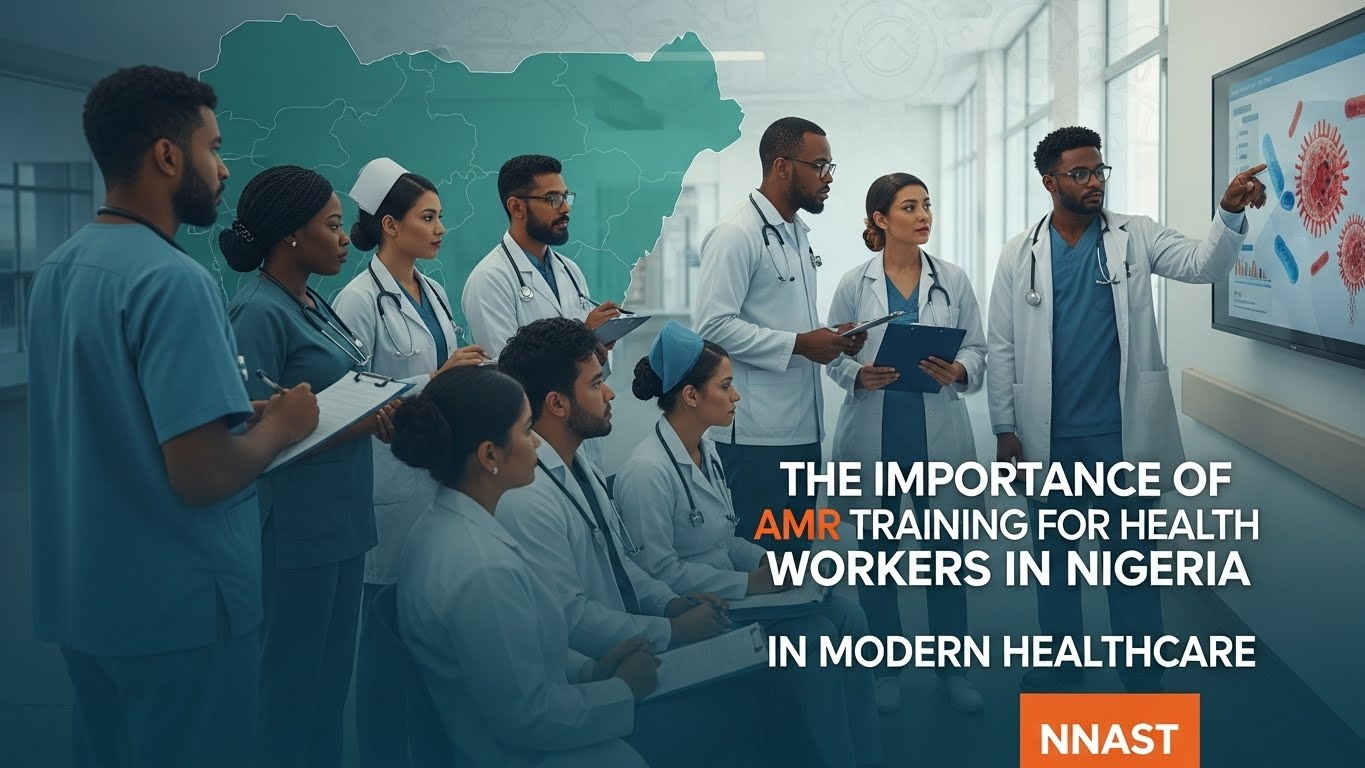
The Nigerian Center for Disease Control and Prevention (NCDC) plays a pivotal role in safeguarding public health across Nigeria. One of its key initiatives is ensuring that health workers are equipped with the necessary skills to tackle antimicrobial resistance. AMR training for health workers Nigeria is now more critical than ever, as the rising cases of resistant infections demand immediate awareness, knowledge, and action at every healthcare level.
Understanding AMR Training for Health Workers in Nigeria Antimicrobial resistance is one of the biggest threats to modern healthcare. In Nigeria, the lack of proper knowledge about antimicrobial use among medical professionals and frontline staff has contributed to a rise in resistant infections. To address this, the NCDC collaborates with hospitals, medical schools, and health institutions to conduct AMR training for health workers Nigeria. These programs ensure that professionals understand the causes, consequences, and prevention strategies of antimicrobial resistance.
AMR Education Programs for Nigerian Health Workers
Health workers are at the forefront of combating antimicrobial resistance. Through AMR education programs for Nigerian health workers, the NCDC provides practical training on topics such as proper prescription practices, infection control, and the rational use of antibiotics. This helps reduce misuse and over-prescription, which are among the leading causes of resistance in Nigerian hospitals.
These education programs also emphasize the integration of digital tools like SORMAS (Surveillance Outbreak Response Management and Analysis System) for better disease tracking and reporting. By combining theoretical knowledge with hands-on practice, healthcare workers gain confidence in identifying resistant infections early and taking immediate action.
Importance of Antimicrobial Resistance Training in Nigeria
Antimicrobial resistance training Nigeria ensures that health workers can make informed decisions in their daily practice. The training covers essential areas such as:
- Correct prescription and dosage of antibiotics
- Infection prevention strategies
- Laboratory diagnostics and interpreting resistance patterns
- Risk communication with patients
| Training Component | Purpose | Expected Outcome |
| Rational Antibiotic Use | Prevent overuse | Reduced AMR cases |
| Infection Control Measures | Avoid cross-infections | Safer hospitals |
| Training Component | Purpose | Expected Outcome |
| Diagnostic & Laboratory Skills | Detect resistance early | Prompt treatment decisions |
| Community Awareness | Educate patients | Compliance and preventive behavior |
How AMR Training Impacts Healthcare Delivery
By implementing comprehensive AMR training for health workers Nigeria, hospitals and clinics see tangible improvements. Proper training reduces hospital-acquired infections, lowers mortality rates due to resistant bacteria, and ensures better patient outcomes. Health workers also become advocates for antimicrobial stewardship within their facilities, promoting a culture of responsible antibiotic use.
Strengthening National Health Systems
The NCDC’s programs go beyond training individuals—they strengthen the overall Nigerian healthcare system. With initiatives such as antimicrobial stewardship programs in Nigeria, health facilities can monitor antibiotic usage, conduct regular audits, and implement policies that prevent the emergence of new resistant strains.
AMR training also encourages collaboration among medical professionals, laboratories, and public health authorities. Such collaboration ensures that Nigeria is prepared for outbreaks of resistant infections and can respond effectively at both local and national levels.
Global and Local Partnerships
AMR training in Nigeria is supported through partnerships with global organizations, including the WHO, Africa CDC, and international research institutions. These collaborations provide up-to-date guidelines, technical expertise, and resources necessary to combat AMR efficiently. Locally, universities and hospitals work closely with the NCDC to develop training modules tailored to Nigeria’s healthcare challenges.
The Way Forward
The growing importance of AMR training for health workers Nigeria cannot be overstated. As antimicrobial resistance continues to rise, ongoing education, awareness, and practical application of knowledge remain essential. With structured AMR education programs for Nigerian health workers and sustained support from both national and international stakeholders, Nigeria can strengthen its healthcare workforce and reduce the burden of resistant infections.
FAQs
What is AMR training for health workers Nigeria?
It is a structured program to educate healthcare professionals about antimicrobial resistance, proper antibiotic use, and infection prevention.
Who provides antimicrobial resistance training Nigeria?
The NCDC, in collaboration with universities, hospitals, and international health organizations, leads these training initiatives.
Why is AMR education programs for Nigerian health workers important?
It equips medical staff to prevent and manage resistant infections, ensuring better patient outcomes and public health protection.
How do antimicrobial stewardship programs in Nigeria relate to AMR training?
These programs complement training by monitoring antibiotic usage, enforcing policies, and promoting responsible use of antimicrobials across healthcare facilities.