Introduction
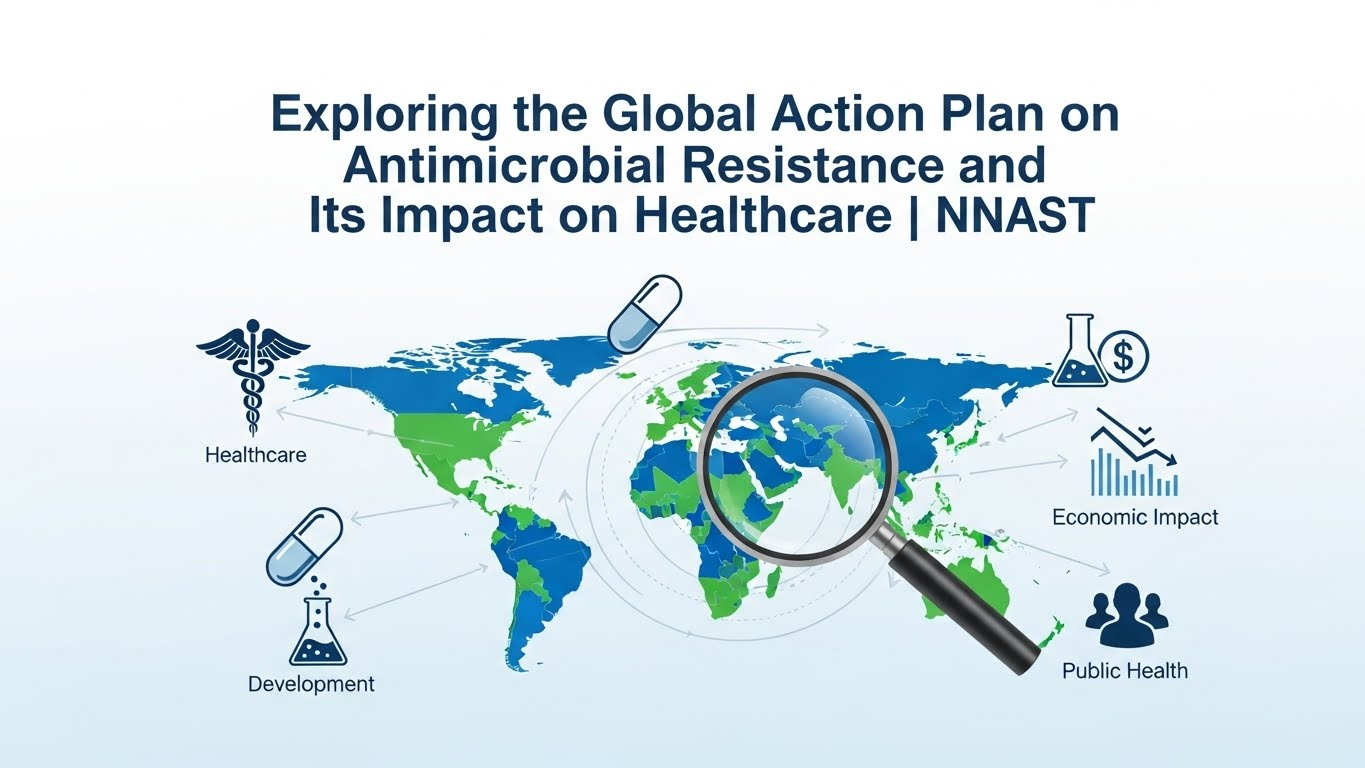
The Nigerian National action plan on Antimicrobial resistance is an essential step in addressing rising drug-resistant infections. Beyond national efforts, the global action plan on antimicrobial resistance guides countries worldwide, offering strategies to reduce the impact of resistant pathogens on healthcare systems. Understanding its framework helps healthcare providers, policymakers, and public health officials adopt effective interventions.
With the increasing threat of antimicrobial resistance, aligning national policies with global standards ensures better preparedness, surveillance, and infection control.
What Is the Global Action Plan on Antimicrobial Resistance?
The global action plan on antimicrobial resistance is a comprehensive framework developed by the World Health Organization (WHO) to combat antimicrobial resistance (AMR) worldwide. Its primary goals are to:
- Improve awareness and understanding of AMR
- Strengthen surveillance and research
- Reduce infection incidence through effective hygiene and vaccination
- Optimize the use of antimicrobial medicines
- Promote sustainable investment in new treatments and tools
By implementing the global AMR action plan, countries like Nigeria can align their national strategies with international standards, ensuring coordinated efforts against AMR.
Key Pillars of the Global Strategy on Antimicrobial Resistance
The global strategy on antimicrobial resistance emphasizes a multi-sectoral approach that integrates human health, animal health, and environmental considerations. Its pillars include:
- Surveillance and Monitoring – Collecting accurate data on resistant pathogens in hospitals, communities, and livestock.
- Infection Prevention and Control – Implementing hygiene, vaccination, and biosecurity measures to reduce transmission.
- Antimicrobial Stewardship – Encouraging responsible prescription and use of antibiotics in human and veterinary medicine.
- Research and Innovation – Supporting development of new medicines, vaccines, and diagnostic tools.
- Global Cooperation – Promoting cross-border partnerships to share data, best practices, and technical support.
By adopting the global strategy on antimicrobial resistance, nations can strengthen healthcare systems and prevent the spread of resistant infections.
How the Global AMR Action Plan Impacts Healthcare
The global AMR action plan directly influences healthcare in several ways:
| Area | Impact |
| Hospitals | Encourages infection control measures, reducing hospital-acquired resistant infections |
| Clinicians | Guides rational antibiotic prescribing and treatment protocols |
| Laboratories | Improves diagnostic capacity for early detection of resistant pathogens |
| Policy Makers | Provides evidence-based strategies to allocate resources effectively |
| Public Awareness | Promotes education on antibiotic misuse and AMR prevention |
Through these measures, the global AMR action plan ensures that healthcare systems are better prepared to manage resistant infections efficiently.
Global Cooperation and National Alignment
The effectiveness of the global action plan on antimicrobial resistance depends on collaboration between international organizations, national governments, healthcare providers, and the community.
Nigeria’s alignment with the global AMR action plan allows the country to:
- Integrate surveillance data into national systems
- Enhance laboratory networks for accurate diagnostics
- Strengthen infection prevention protocols in hospitals
- Educate communities on the dangers of antibiotic misuse
By combining global strategy on antimicrobial resistance principles with national policies, Nigeria can reduce the public health burden of resistant infections.
Conclusion
The global action plan on antimicrobial resistance provides a roadmap for countries to tackle one of the most pressing health challenges of our time. Implementing the global AMR action plan alongside local initiatives ensures that healthcare systems can detect, prevent, and respond to resistant infections efficiently.
For Nigeria, aligning with the global strategy on antimicrobial resistance strengthens national healthcare, improves patient outcomes, and protects public health for generations to come.