Antimicrobial resistance poses a critical threat to public health systems worldwide, and Nigeria is no exception. The rising burden of drug-resistant infections has prompted coordinated national responses, including the development and implementation of the Nigerian National Action Plan on Antimicrobial Resistance. This comprehensive strategy addresses the multifaceted challenges of AMR through surveillance, stewardship, infection prevention, and research.
However, the scope of the problem extends beyond hospital walls into communities, livestock production, and environmental reservoirs.
Therefore, understanding the current burden of antimicrobial resistance in Nigeria requires examining epidemiological data, healthcare-associated infections, and global patterns that shape local realities.
The Nigerian National Action Plan on Antimicrobial Resistance serves as the cornerstone for organizing cross-sectoral efforts to combat this growing crisis.
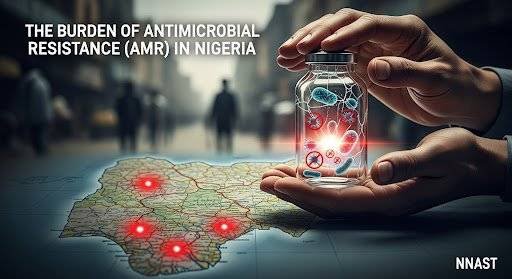
Burden of Antimicrobial Resistance in Nigeria

The burden of antimicrobial resistance in Nigeria is substantial and increasing. Studies show high resistance rates among common bacterial pathogens isolated from clinical specimens. For instance, resistance to frequently used antibiotics like fluoroquinolones and third-generation cephalosporins has been documented across multiple healthcare facilities.
Consequently, treatment options become limited, leading to prolonged hospital stays, higher medical costs, and increased mortality. The burden of antimicrobial resistance in Nigeria affects both urban tertiary hospitals and rural primary healthcare centers, though surveillance capacity varies significantly across regions.
Prevalence Across Healthcare Settings
Different healthcare settings experience varying levels of resistance. Tertiary hospitals often report higher resistance rates due to patient referral patterns and concentrated antibiotic use. Primary healthcare centers, although less studied, also face challenges in managing common infections such as urinary and wound infections.
Additionally, community-acquired resistant infections are emerging as a significant concern. Patients presenting with resistant pathogens without prior hospitalization indicate environmental and community transmission routes that require urgent attention.
Key Resistant Pathogens
Several bacterial species demonstrate particularly concerning resistance patterns in Nigeria. Extended-spectrum beta-lactamase (ESBL)-producing Enterobacteriaceae are widely reported. Methicillin-resistant Staphylococcus aureus (MRSA) prevalence varies but remains a persistent threat in surgical and intensive care settings.
Furthermore, carbapenem-resistant organisms, once rare, are increasingly detected. These pathogens leave clinicians with few or no treatment options, representing the most severe manifestation of antimicrobial resistance burden.
Global Burden of Antimicrobial Resistance
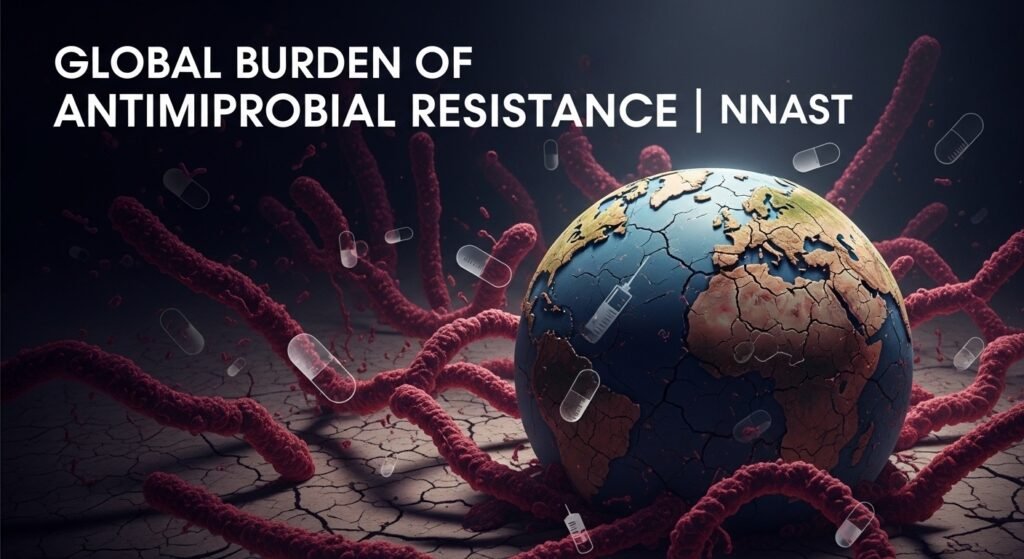
The global burden of antimicrobial resistance affects all regions, though low- and middle-income countries bear disproportionate impacts. According to the World Health Organization, AMR directly caused 1.27 million deaths globally in 2019, with millions more deaths associated with resistant infections.
However, the global burden of antimicrobial resistance extends beyond mortality statistics. Economic costs, strain on healthcare systems, and reduced effectiveness of medical procedures create cascading effects across health systems worldwide.
Comparative Perspectives
When examining the global burden of antimicrobial resistance, sub-Saharan Africa faces unique challenges. Limited diagnostic capacity, constrained healthcare budgets, and gaps in surveillance infrastructure complicate efforts to accurately quantify and address resistance.
Nevertheless, international collaborations and funding mechanisms are beginning to strengthen regional capacity for AMR monitoring and response, bringing hope for improved outcomes in the coming years.
Interconnected Drivers
Several factors drive the global burden of antimicrobial resistance. Overuse and misuse of antibiotics in human medicine, agriculture, and aquaculture create selection pressure favoring resistant organisms. Poor infection prevention practices allow resistant bacteria to spread within healthcare facilities and communities.
Similarly, international travel and trade facilitate the global dissemination of resistant strains, making AMR a truly transnational challenge that requires coordinated international responses.
The Burden of Antimicrobial Resistance in Hospital-Acquired Infections

The burden of antimicrobial resistance in hospital-acquired infections represents a critical subset of the overall AMR problem. Healthcare-associated infections (HAIs) frequently involve resistant pathogens, complicating treatment and worsening patient outcomes.
Therefore, the burden of antimicrobial resistance in hospital-acquired infections demands targeted interventions, including improved hygiene protocols, antimicrobial stewardship programs, and enhanced surveillance systems within healthcare facilities.
Common Hospital-Acquired Resistant Infections
Several types of hospital-acquired infections commonly involve resistant organisms. Catheter-associated urinary tract infections, central line-associated bloodstream infections, surgical site infections, and ventilator-associated pneumonia frequently yield resistant bacteria.
Consequently, patients in intensive care units face a particularly high risk. The combination of invasive devices, compromised immune systems, and heavy antibiotic exposure creates ideal conditions for the transmission of resistant pathogens.
Impact on Patient Outcomes
The burden of antimicrobial resistance in hospital-acquired infections significantly impacts patient outcomes. Infections caused by resistant organisms typically require longer treatment durations, more expensive antibiotics, and longer hospital stays.
Moreover, mortality rates are substantially higher when infections involve resistant pathogens than when they involve susceptible strains. This disparity underscores the urgent need for comprehensive infection prevention and control measures.
Prevention Strategies
Reducing the burden of antimicrobial resistance in hospital-acquired infections requires multifaceted prevention strategies. Hand hygiene compliance among healthcare workers remains foundational. Environmental cleaning, equipment sterilization, and patient isolation protocols help prevent pathogen transmission.
Additionally, antimicrobial stewardship programs optimize antibiotic prescribing practices, reducing unnecessary exposure that drives the development of resistance. Organizations such as NNAST provide technical support to hospitals that implement these evidence-based strategies.
FAQs
What is the burden of disease?
The burden of disease refers to the impact of a health problem measured by financial cost, mortality, morbidity, or other indicators. It quantifies the gap between the current health status and an ideal state in which everyone lives free of disease and disability.
What is the current burden of antimicrobial resistance (AMR) in Nigeria?
The current burden of antimicrobial resistance in Nigeria is substantial but incompletely characterized due to limited surveillance data. However, comprehensive national surveillance systems are still developing, making precise burden estimates challenging.
How does AMR contribute to deaths and disability in Nigeria?
AMR contributes to deaths and disability in Nigeria through multiple pathways. When first-line antibiotics fail due to resistance, infections progress while clinicians search for effective alternatives. This delay in appropriate treatment increases the risk of mortality and complications.