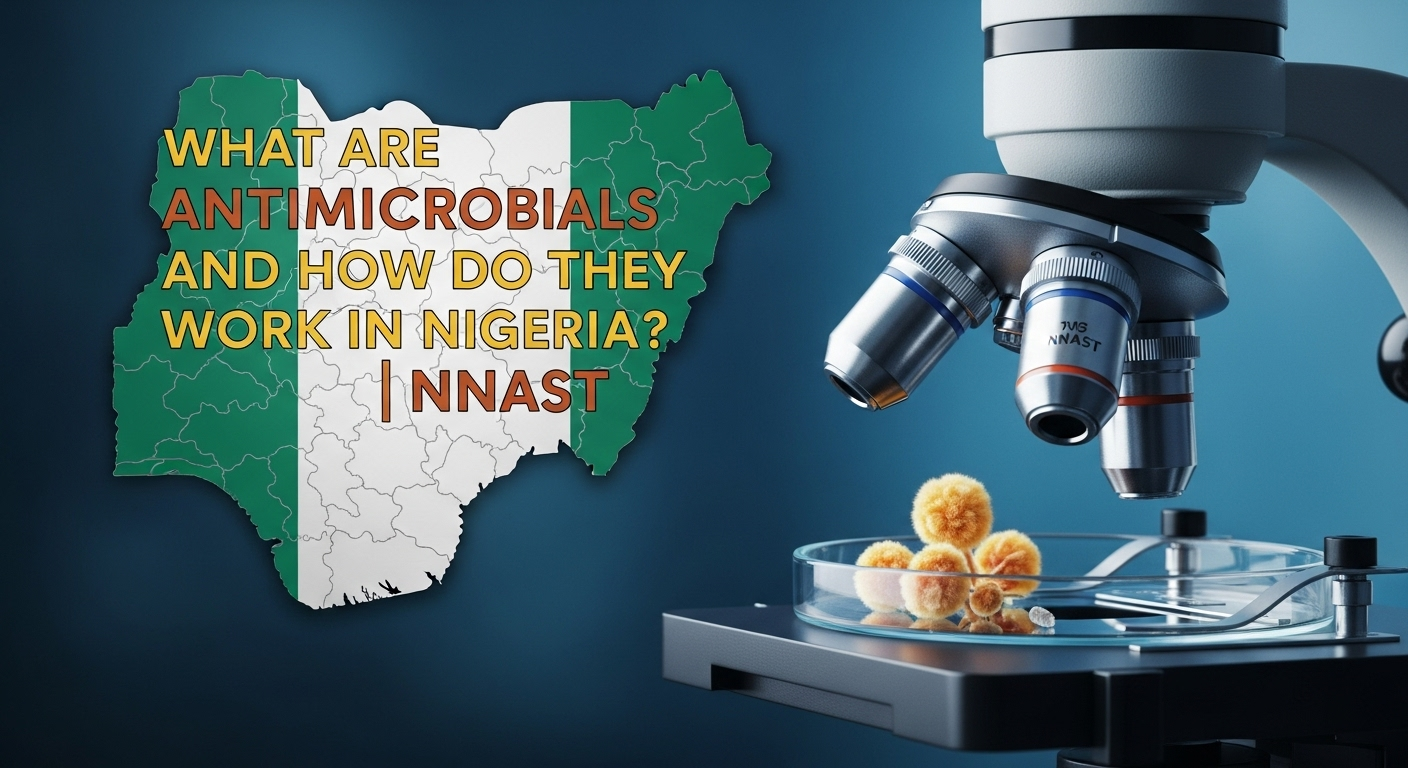
Many Nigerians walk into pharmacies daily and request antibiotics so casually, for colds, fever, or body pain Here, the problem is not just the self-medication habit. But most of them are not even aware of the drug categories that lead to misuse and fuel antimicrobial resistance in Nigeria.
What happens when you don’t understand the difference leads you into a disaster and further health issues. That supposedly medicine for the flu now causes cancer, due to the wrong drugs.
This misuse results in:treatment failures worsens health outcomes strengthens drug-resistant organisms Well, this is not the end. Solution exists! Below, we have clarified what antimicrobials are, how they differ, and why getting it right matters for every Nigerian seeking treatment.
What Are Antibiotics and What Do They Actually Treat
Antibiotics are a subset of antimicrobial agents. They target bacterial infections only. What are antibiotics? They are compounds that either kill bacteria or stop their reproduction. They do not work against viruses, fungi, or parasites. In Nigeria, antibiotics are frequently misused for viral conditions like the common cold or influenza.
This practice offers no therapeutic benefit. It only contributes to resistance. When bacteria are repeatedly exposed to antibiotics without a valid infection, they develop survival mechanisms. These mechanisms are passed on to future generations of bacteria, making infections harder to treat.
Antiparasitic Drugs Fight a Different Battle
Nigeria carries a heavy burden of parasitic diseases. Malaria alone affects millions of Nigerians annually. Intestinal worms, schistosomiasis, and other parasitic infections remain common, especially in rural areas. This is where antiparasitic drugs become essential. These medications target parasites specifically. Artemisinin-based combinations treat malaria. Albendazole eliminates intestinal worms. Praziquantel addresses schistosomiasis. These drugs work through mechanisms completely different from antibiotics. They disrupt parasite metabolism, prevent reproduction, or damage parasite cell membranes.
Confusing these with antibiotics leads to treatment failures. A patient with malaria needs antimalarial medication, not an antibiotic. The distinction saves lives and prevents drug resistance in parasites as well.
Antimicrobials vs Antibiotics.
Here’s where clarity becomes crucial. Antimicrobials vs antibiotics is not about preference but about precision. Antimicrobials include antibiotics, antivirals, antifungals, and antiparasitic drugs. Antibiotics are just one subset within the larger antimicrobial family. Think of antimicrobials as the umbrella term covering all infection-fighting drugs. Antibiotics sit under that umbrella alongside other drug categories.
This confusion fuels resistance because when patients use the wrong drug category, organisms survive and adapt. A fungal infection won’t respond to antibacterial antibiotics. A viral infection won’t improve with any antimicrobial except antivirals.
Getting the category wrong wastes money, delays recovery, and contributes to resistance patterns that make future infections untreatable.
How These Antimicrobial Agents Function
Learn the mechanisms first to help you understand why choosing the right drug is the safest option. Antimicrobial agents work by exploiting differences between human cells and pathogen cells. Antibiotics target bacterial structures that human cells lack.
Some antibiotics prevent bacteria from building protective cell walls. Others stop bacteria from making essential proteins. Antiparasitic drugs interfere with parasite-specific enzymes or life cycle stages. Antifungals disrupt fungal cell membranes differently from bacterial ones.
This specificity is why one drug type cannot substitute for another. When the right antimicrobial meets the right organism, treatment succeeds. When mismatched, the infection persists, and resistance develops. The body’s immune system must work harder, recovery takes longer, and complications increase.
Bridging Knowledge Gaps Through Education
Changing these patterns requires coordinated education efforts. Healthcare workers need updated training on antimicrobial prescribing guidelines. Pharmacists require support to refuse dispensing without proper prescriptions.
Communities need accessible information explaining when antimicrobials are necessary and when they’re not. Schools should include basic infection science in health curricula. Media campaigns must counter dangerous myths about antibiotic use.
This isn’t just about telling people what not to do. It’s about empowering informed healthcare decisions. When patients understand that most coughs and colds resolve without antibiotics, demand for inappropriate prescribing drops. When they know why completing full treatment courses matters, adherence improves. Knowledge shifts behavior more effectively than restriction alone.
Getting the Right Medicine Starts With Knowing the Difference
Treatment success depends on accurate identification and appropriate drug selection.
- Antimicrobial agents are powerful tools that must be used precisely.
- Antibiotics fight bacteria only.
- Antiparasitic drugs target parasites exclusively.
Confusing these categories or using them interchangeably accelerates resistance and reduces future treatment options. Better regulation, improved prescriber education, and increased public awareness all contribute to reversing resistance trends.
If you’re involved in healthcare delivery, education, or policy implementation and want to support evidence-based antimicrobial stewardship practices, visit us at NNAST to learn how coordinated national efforts are addressing these challenges systematically.
FAQs
Are antimicrobials effective against viruses?
Most antimicrobials do not work against viruses. Antibiotics, antiparasitic drugs, and antifungals have no effect on viral infections. Only antiviral medications can treat specific viral diseases. Common viral infections like colds and flu usually resolve without antimicrobial treatment.
Why does misuse increase resistance rates?
When antimicrobials are used incorrectly, they kill susceptible organisms but allow resistant ones to survive and multiply. These resistant organisms then spread to other people. Over time, entire populations of pathogens become resistant, making standard treatments ineffective.
How long should antimicrobials be used?
Duration depends on the specific infection and drug prescribed. Bacterial infections typically require 5-14 days of antibiotics. Parasitic infections may need single doses or several weeks of treatment. Always complete the full prescribed course even when symptoms improve early.