World AMR Awareness Week 2026 shines a spotlight on how poorly treated bacterial infections drive antimicrobial resistance. Cholera is among the most instructive examples: a disease that is largely preventable, rapidly treatable, yet continues to cause outbreaks across Nigeria due to gaps in sanitation, clean water access, and timely diagnosis.
What Is Cholera and Why Does It Affect Nigeria?
The Bacterium Behind Cholera
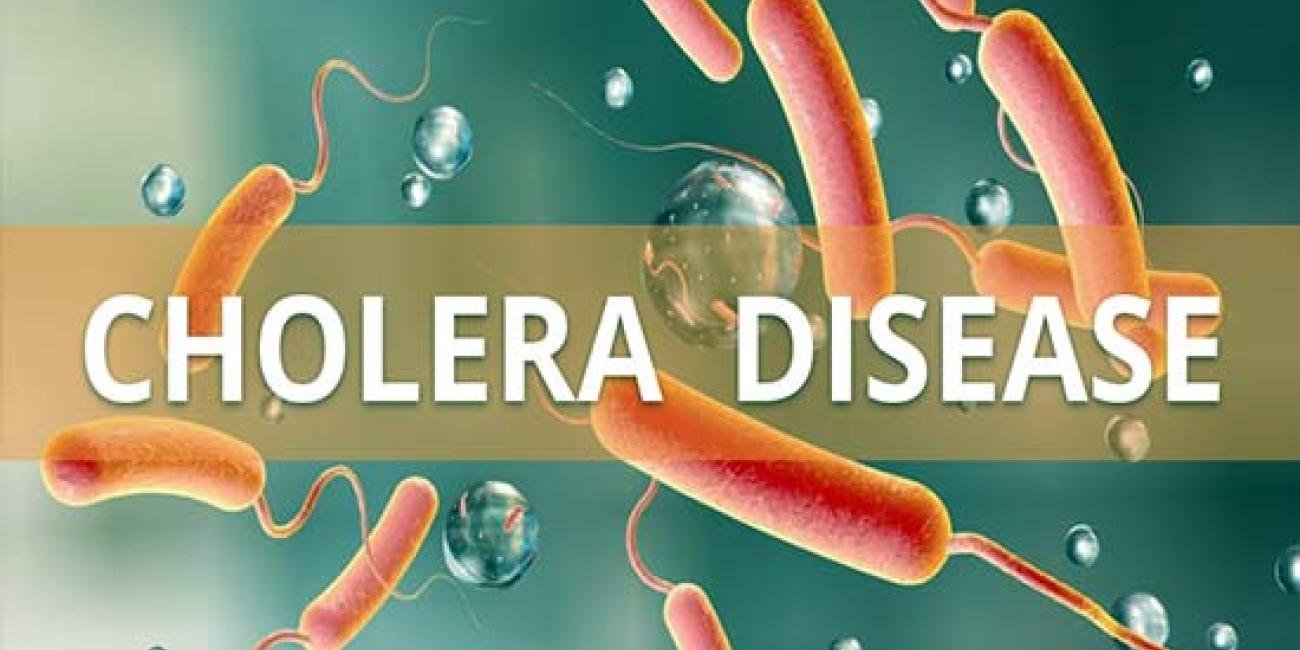
Cholera is caused by Vibrio cholerae, a bacterium transmitted through contaminated water and food. It thrives wherever sanitation is poor and clean water is scarce. Nigeria’s ongoing challenges with water infrastructure and sanitation make cholera outbreaks recurring events, particularly in densely populated areas and during or after floods.
Cholera Symptoms Nigeria Patients Must Recognise
Early Warning Signs
Cholera symptoms in Nigeria typically appear within 12 hours to five days after exposure. The hallmark symptom is profuse watery diarrhoea, often described as resembling rice water. This diarrhoea can be so severe that a patient loses several litres of fluid within hours.
Nausea and vomiting accompany the diarrhoea in most cases. Mild muscle cramps may appear as the body begins to lose electrolytes rapidly.
Severe Dehydration Symptoms
As fluid loss accelerates, patients develop signs of severe dehydration. These include sunken eyes, dry mouth, reduced urination, extreme thirst, and skin that loses its normal elasticity. In children, sunken fontanelles are an alarming sign.
Without rapid treatment, severe dehydration can lead to circulatory collapse and death within hours. Therefore, recognising early cholera symptoms in Nigeria is a matter of life and death.
Cholera Outbreak Nigeria: High-Risk Periods and Locations
Geographic and Seasonal Patterns
Cholera outbreaks in Nigeria are most common during the rainy season, when floods contaminate water sources and carry faecal matter into drinking water supplies. States in the North, particularly Borno, Adamawa, and Yobe, have experienced repeated outbreaks, often linked to displacement and inadequate sanitation in humanitarian settings.
Coastal areas and communities relying on surface water are also at elevated risk. Simultaneously, overcrowded urban neighbourhoods with poor sewage systems serve as persistent cholera reservoirs.
How to Prevent Cholera in Nigeria
Safe Water and Sanitation Practices
How to prevent cholera in Nigeria begins with access to safe water. Boiling drinking water, using water purification tablets, and storing water in clean covered containers are all effective individual-level interventions.
Proper handwashing with soap before eating and after using the toilet removes the bacterium from hands and breaks the transmission chain. However, soap and water access remain limited in many Nigerian communities, which is why systemic investment in WASH infrastructure is essential.
Food Safety Measures
Raw fruits and vegetables should be washed with clean water. Street food, while a staple of Nigerian daily life, carries higher risk of cholera transmission if not prepared hygienically.
Fish and shellfish from contaminated waters should always be thoroughly cooked before consumption. NNAST supports public education initiatives that help communities understand how infection prevention links directly to the responsible use of medicines.
Cholera Treatment in Nigeria
Oral Rehydration Therapy
Cholera treatment in Nigeria begins with immediate oral rehydration. Oral rehydration salts (ORS) replace lost fluids and electrolytes rapidly. Most cholera cases can be managed successfully with ORS alone, without antibiotics.
When Antibiotics Are Appropriate
Antibiotics are reserved for severe cases of cholera and must be prescribed by a healthcare professional. Inappropriate antibiotic use for cholera contributes to drug resistance and should be avoided outside clinical recommendation.
Frequently Asked Questions
How fast can cholera kill without treatment?
In severe cases, untreated cholera can kill an adult within hours due to rapid dehydration and electrolyte loss. It is considered a medical emergency requiring immediate fluid replacement.
Is there a cholera vaccine available in Nigeria?
Yes. The oral cholera vaccine (OCV) is available and has been used in outbreak response campaigns in Nigeria. It provides around 65% protection for up to five years and is recommended for communities at high risk during cholera outbreaks.
How does a cholera outbreak in Nigeria get controlled?
Outbreak control involves immediate case management, rapid case finding, water chlorination, oral rehydration centres, and community health education. The Nigeria Centre for Disease Control (NCDC) coordinates response in partnership with state health authorities.