
Nigeria has a reflex. Body aches, a touch of fever, and the verdict often comes instantly. It’s malaria. Case closed.
Except it often isn’t. Those same Malaria symptoms, the chills, the pounding head, the flat exhaustion, are exactly what typhoid wears too. This is the reason why the Symptoms of Typhoid Fever and Malaria get mixed up so easily, and why many people treat the wrong one for weeks.
So when is a fever just a fever, and when should it actually scare you?
That’s the real question here. NNAST sees what happens when people get it wrong, so let’s clear the fog.
Two Illnesses in the Same Disguise
Start with why nobody can eyeball this one.
Both bugs open with fever, aches, and that bone-deep tiredness. On day one, telling malaria from typhoid fever by feel alone is close to a coin toss. Even seasoned nurses hedge that early, and they’ve seen thousands of fevers.
And here’s the twist. You can catch both at once. All it may take is one mosquito, or one bad plate of food, and there. Suddenly you’re fighting on two fronts. This combination alone is common here, and it’s brutal, because clearing one while the other rages on just drags the whole thing out.
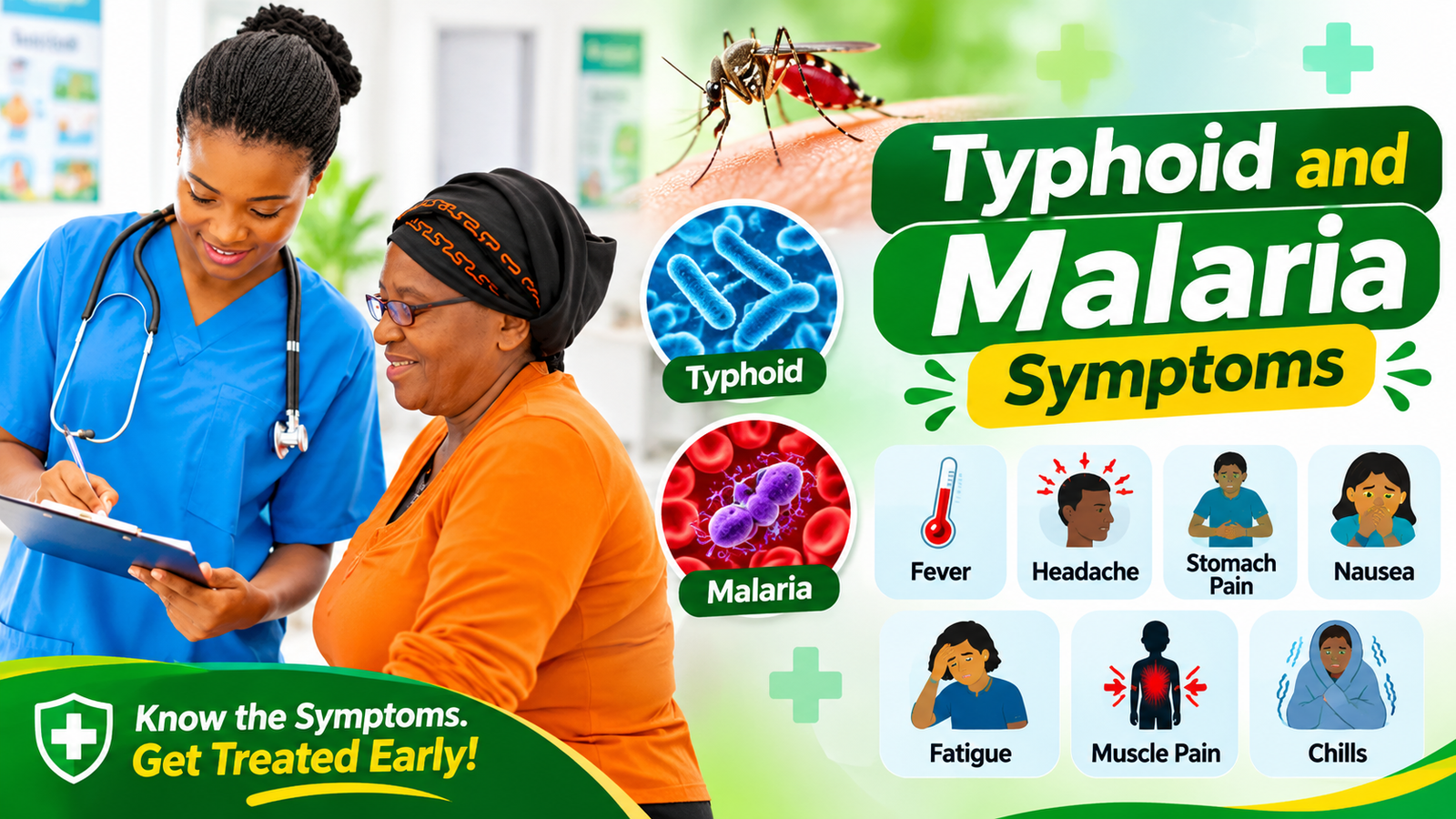
The overlapping signs of Typhoid and Malaria tend to look like this:
- Fever that climbs, then dips
- A headache parked right behind the eyes
- Aches, weakness, no interest in food
- A stomach that just feels off
Where They Finally Part Ways
Give it a few days, though, and the two stop hiding.
Malaria Hits Fast
Malaria usually comes in hard and quick. Fine at breakfast, flattened by nightfall, shivering under a wrapper while the sweat pours.
The fever often rolls in waves. Cold, then blazing, then drenched, circling back every day or two. By the second round, most people already sense this is no ordinary bug. Left unchecked, it can turn severe frighteningly fast.
Typhoid Takes the Slow Road
Typhoid creeps instead. The fever nudges a little higher each evening, and by the end of a week you feel properly hollowed out.
Appetite disappears. The belly aches. Oddly, some people get constipated rather than the runs, which throws everyone off the trail. A faint rash or a strangely slow pulse can turn up too, though most people never clock it.
Don’t Sleep on the Quiet Cousin
There’s a third name worth keeping in mind, Paratyphoid Fever.
It comes from a close relative of the typhoid bug and plays a softer version of the same tune. Milder, mostly, but far from harmless.
The trouble with Paratyphoid Fever is that rushed tests often miss it. So a “clean” result plus a fever that won’t quit doesn’t add up to all-clear. Paratyphoid Fever earns a proper look, not a shrug.
The Signs that Mean Go Now, Not Later
Right, the part you actually came for. When do you stop waiting and get to a clinic?
Some signs of Typhoid and Malaria are not “rest and monitor” territory. They’re red flags:
- Fever that won’t break after two or three days
- Confusion, drowsiness, or being hard to wake
- Fierce belly pain, or blood turning up in stool
- Can’t keep fluids down, or barely passing urine
- Yellowing eyes, or a seizure of any kind
For pregnant women, small children, and older people, that list gets even shorter. With them, sorting Malaria or Typhoid Fever fast can honestly be life or death. Please don’t ride it out at home.
Stop Guessing, Start Testing
Here’s my honest opinion, said plainly. The most dangerous move you can make is treating yourself on a hunch.
A blood test settles what your gut can’t. A malaria test alongside a proper typhoid one, and you finally know whether it’s Malaria or Typhoid Fever you’re up against, or both at once.
Guessing wrong wastes more than time. It fuels drug resistance, because half-treated infections and the wrong antibiotics quietly train these bugs to survive. That’s the exact mess NNAST works to prevent. Every wrong course chips away at drugs we can’t easily replace.
So treat the true signs of Typhoid and Malaria as a cue to test, never to self-prescribe. Take the symptoms of Typhoid Fever and Malaria seriously enough to get a real answer first.
The Bottom Line
A fever in Nigeria is not automatically malaria. Sometimes it’s typhoid. Sometimes it’s both. Now and then it’s neither.
Knowing the symptoms of Typhoid Fever and Malaria is useful. Knowing the moment they tip into danger is what actually keeps you safe.
So keep an eye out for the pattern. In case you find yourself unsure, you can always opt for getting tested. Guessing is the one thing you really can’t afford. Your body usually tells you when something is truly wrong. Listen to it.